Inspired by Tim Higgins’ October 18, 2025 WSJ article
👉 The Fight Over Whose AI Monster Is Scariest – WSJ
I’ll be the first to admit: I am not an AI expert.
I use it. I’m curious about how it will evolve.
But I couldn’t look into the box and explain how it works—and that doesn’t worry me much.
Still, I was amused by the growing feud between Jack Clark of Anthropic and the White House’s AI czar, David Sacks. Always fun to watch the clash of the Titans.
Clark maintains we are growing AI systems we don’t understand.
That’s true—depending on who “we” are.
If he means me and millions of other users, he’s right.
I don’t understand how AI, computers, television, or the internet work (and I’m not entirely sure about the internal combustion engine).
Yet I use them all. My lack of understanding isn’t a prerequisite for use—or a reason for fear.
What Clark really means is that those designing opaque systems can’t confidently assert control.
Fair point.
But we’ve done that for centuries. The people who design and refine systems usually understand their motivations—then obscure them.
Take economics. Many of us slept through the class, but we remember “supply and demand.”
When we hear that magic phrase, we nod like Pavlov’s dogs and accept price increases as inevitable.
Of course, Clark is also selling Anthropic as the “safe” AI company.
Are his motives altruistic or strategic?
Will his warnings save us from an out-of-control AI monster—or simply line his pockets?
The White House accuses him of regulatory capture—using fear to shape rules in your own favor.
And they should know.
They’ve told AI labs to “go fast, dominate the world,” then chastised them for raising safety concerns.
Traditionally, there are three ways to motivate people:
1️⃣ Facts – but sorting real facts from fake is harder than ever.
2️⃣ Faith (trust) – but public trust is in steep decline.
3️⃣ Fear – the oldest, and most powerful motivator of all.
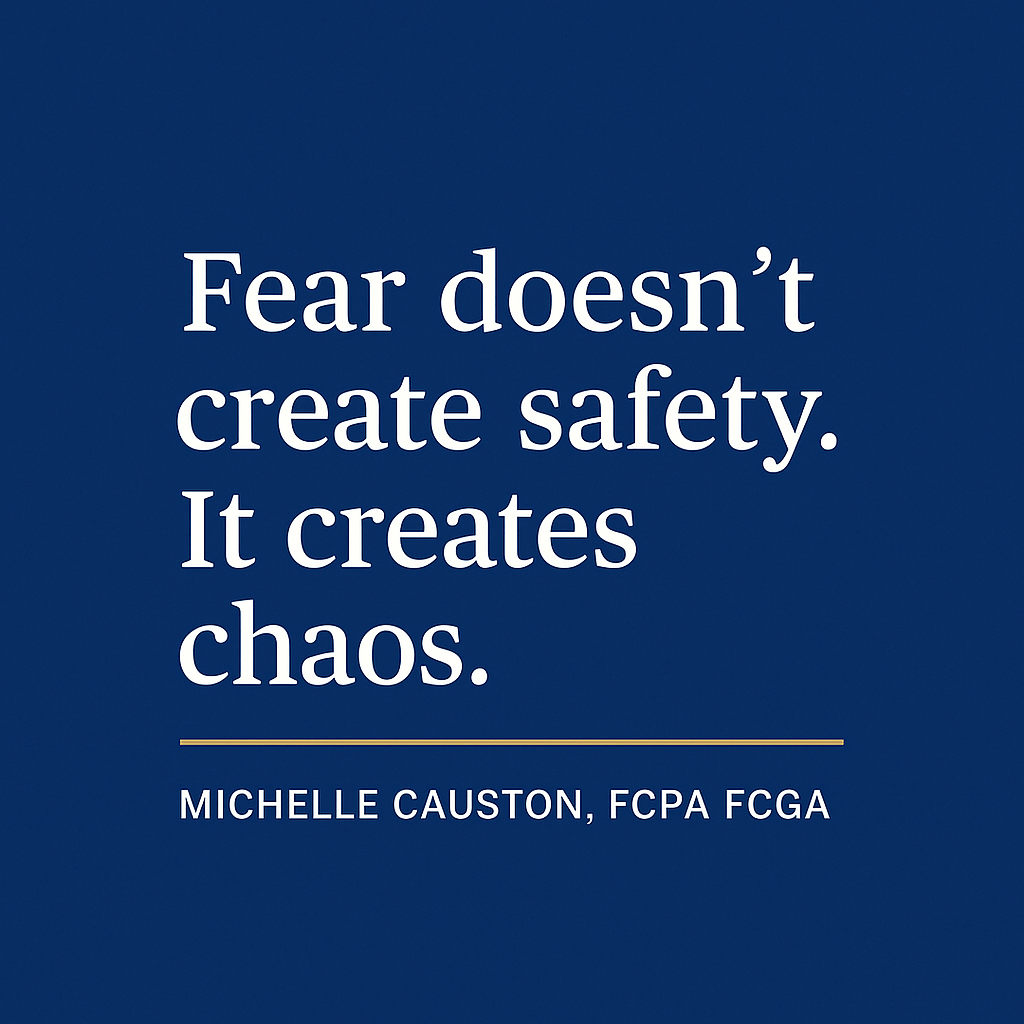
Fear doesn’t create safety. It creates chaos.
Clark calls AI “a real and mysterious creature, not a simple and predictable machine.”
True enough—just as a lion is real and potentially dangerous, not a cuddly house cat.
Meanwhile, the White House’s credibility is thinner than tissue.
They preach deregulation, demand dominance, then feign surprise when companies sprint ahead.
Their inconsistency erodes what little trust remains.
At this point, Clark wins—but not by much.
So what now?
The answer, as always, lies with us.
🧭 Stop rewarding politicians for grandstanding.
🧠 Strengthen our own critical thinking.
⚖️ Sharpen our ethics awareness, so we can demand regulations that prevent disaster without choking progress.
Progress always carries risk.
But when danger is overlooked in the rush for profit and control, we set the stage for others to close the gates, mend the fences, and secure the promise.


Leave a comment